
Exploring the concept of how love and grief coexist, and how one cannot be present without the other.
After rewatching one of my absolute favorite films of all time yet again, I was met with this idea of exploring how love and grief coexist, and what that really looks like. The film Call Me By Your Name has held such a special place in my heart, and of course as an A24 film junkie, discovering CMBYN was truly life changing. From its cinematography, music, and impeccable performance from Timothee Chalement, there are so many elements of the movie that make it such a timeless film, but what really stuck with me was the beautiful, yet gut wrenching dialogue.
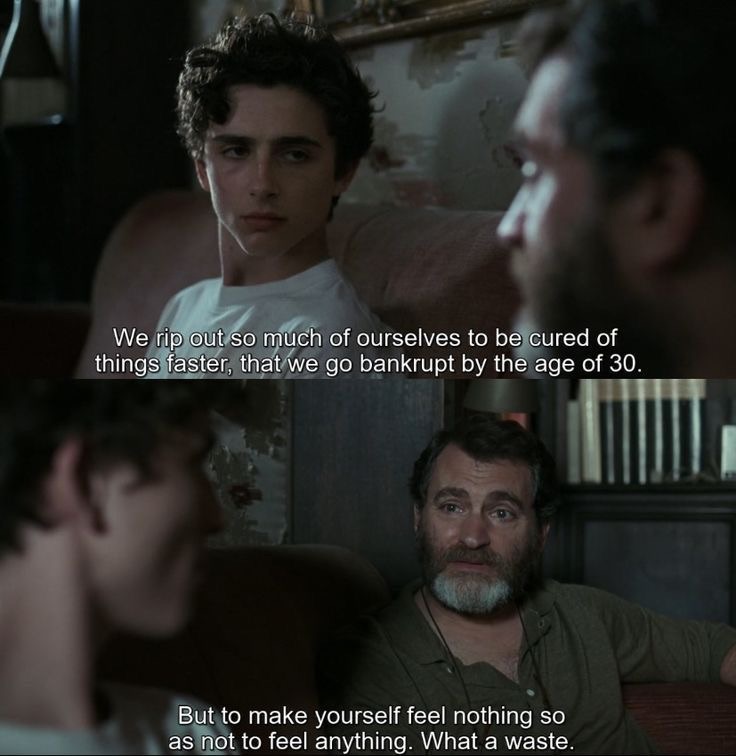
Without spoiling too much, in particular, the scene where the main character, Elio, has a conversation with his father after having to leave behind Oliver, a man he spent the entire summer with. After experiencing a love like theirs, Elio is shattered by the fact that the summer has to end, and with it, the life and love they experienced together. They have to return to their normal lives and somehow move forward as if this incredibly significant thing had not just happened to them.
And this very feeling the movie wonderfully portrayed made me think: What happens when love has nowhere to go?
When it can no longer exist in the way it once did, does it transform into something new? What does it become? Or does it transcend time and exist only within the time capsule of a memory?
There is a moment during that conversation when Elio’s father tells him, “To make yourself feel nothing… what a waste.”And I think that sentiment speaks to something much larger than romantic heartbreak.
We have this instinct to rush through painful emotions or experiences. After heartbreak, loss, the end of a friendship, or any kind of grief, there is often this desire to just get over it. Stop thinking about it entirely and detach from anything associated with it. In the attempts of spending so much time trying to protect ourselves from that pain, what do we lose along the way? Furthermore, why is feeling nothing the goal?
There is something interesting about the idea that becoming completely unaffected by something that once meant everything to you is somehow proof that you have healed. Of course, no one wants to be hurt forever. But I think there is a difference between healing from something and trying to erase your ability to feel it altogether. Feeling deeply comes with risk. But the alternative is never allowing anything to matter enough to hurt you. And in turn it makes you numb to anything at all.
And maybe that is part of what makes grief such a complex emotion. The feeling of grief is proof of love that once existed. While it can be devastating that something has ceased to exist in the form we knew it, what an honor it is to have emotions that exist as testaments to just how loudly we once felt something. The fact that we can love something so deeply that its absence creates an entirely new emotion is such profound universal human experience.
And in a way, how beautiful is it that something as wonderful as love can create something like grief? Grief only exists because something mattered enough for its absence to be felt. But when that love is no longer present in the way it once was, does it really ever just vanish?
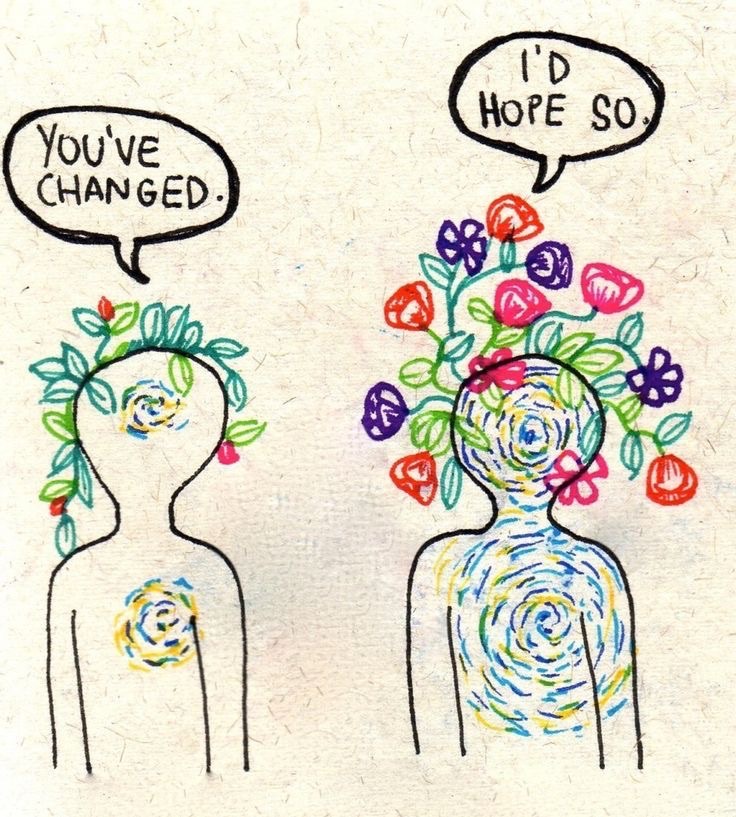
I don’t think it does, I think instead it takes a different form. It becomes grief, a memory, even nostalgia. And eventually, it may even influence the different kind of love you’re capable of giving next. That is another part of love and loss that I find so interesting. It can be heartbreaking to realize that we will never really love the exact same way each time we do. Every love is attached to a particular version of ourselves, and when that version of us changes, so does the way we are capable of loving.
It will never feel this way again.
There is something devastating about that thought. But on the flip side, thank God it will never feel this way again, right?
Because that also means the next time we find love, it will exist as something new. It doesn’t have to recreate what came before it to be just as meaningful. We have lived more, learned more, lost more, and become different versions of ourselves. So naturally, the love we experience will change with us.
As long as there is love, there will always be the possibility of grief. We can’t have the depth of one without accepting the vulnerability that comes with the other. Yet within that same breath, the love that is “lost” is never really gone. It just exists differently now.
The beauty in grief is that it means you’ve loved. You’ve really loved. And I think there is something beautiful about knowing we are capable of experiencing emotions big enough to introduce us to entirely new ones. We are complex enough to carry all of it. The love, the loss, the grief, the memories, and whatever comes after. None of those feelings erase what came before them. If anything, they are proof of it.
Proof that we have loved, proof that we have felt, and proof that we have lived. And as long as we continue to live, there will always be more to feel.







 zoescalmcorner.com
Leave a comment